Contact us
Leave Your Message
0%

You know, in today’s fierce manufacturing game, finding high-quality Cold Forged Components is super important for industries all around the globe.

A report from Research and Markets even predicts that the global cold Forging market could hit a whoppingUSD 56.5 billion by 2027! That just shows how much folks are looking for tough and precise components made using the latest techniques.
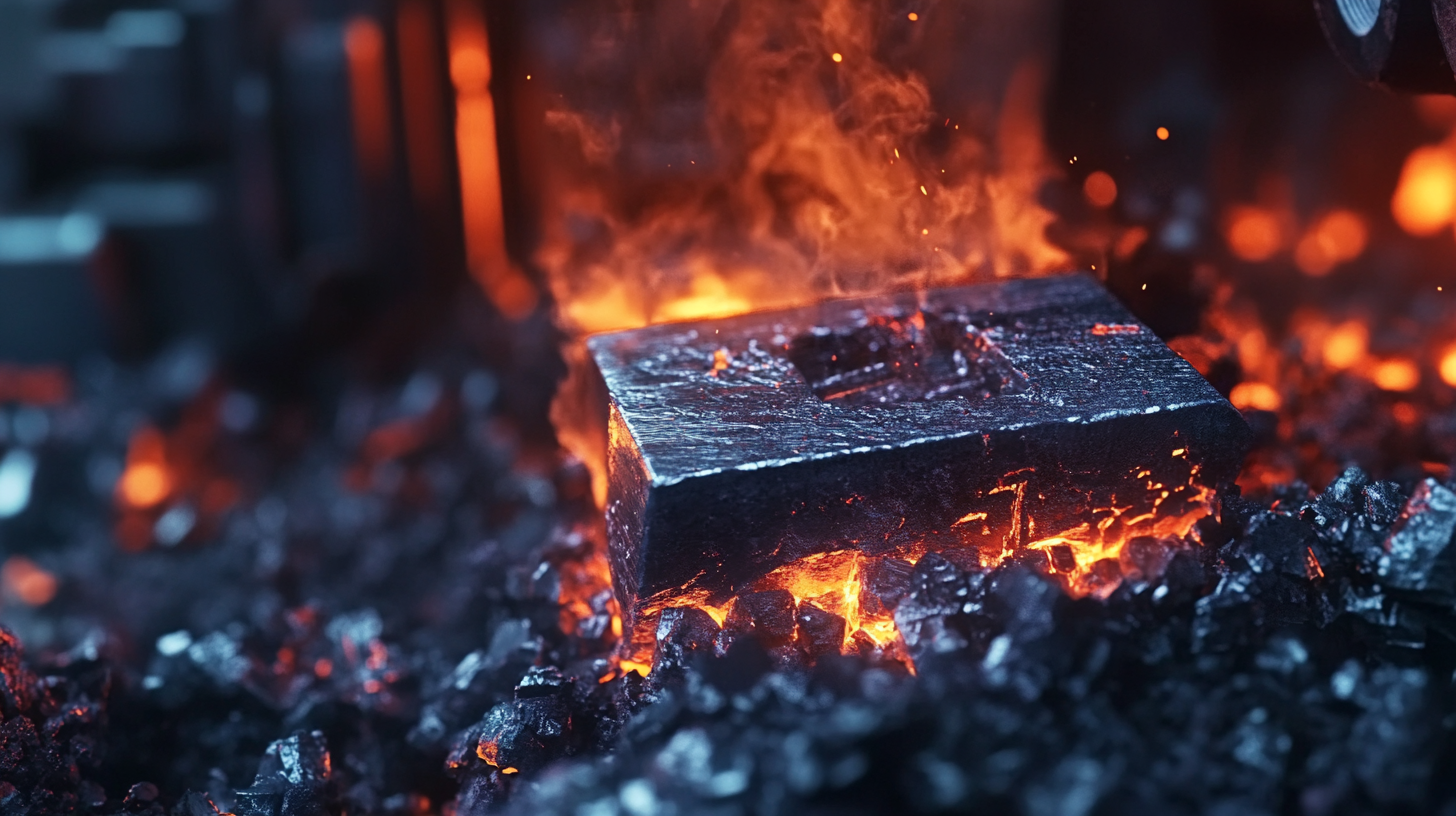
Finding the Ideal Manufacturer for Quality Cold Forged Components

Here at Shaanxi Brilliant Machinery Co., Ltd., we totally get that teaming up with the right manufacturer is key to keeping up with these growing demands.

We’re all about excellence, sustainability, and making our customers happy.

Our goal? To not just be a leader in quality cold forged components but to keep on improving and coming up with innovative solutions so our clients get the best products that really fit their needs.

Identifying Key Factors in Selecting Quality Cold Forged Component Manufacturers

When selecting a quality manufacturer for cold forged components, several key factors must be considered to ensure you are partnering with a reliable and efficient supplier. Firstly, it is crucial to evaluate the manufacturer’s experience and expertise in the cold forging industry. According to a report by Grand View Research, the global cold forging market is expected to reach $21.24 billion by 2025, indicating significant growth and competition. Manufacturers with extensive experience are more likely to employ advanced techniques, which can result in enhanced product quality and consistency.

Another important consideration is the manufacturer’s technological capabilities. The adoption of innovative machinery and techniques can significantly impact the quality of the finished product. According to a survey conducted by the Manufacturing Institute, 79% of manufacturers recognize that advanced technologies improve their production operations. It’s essential to assess whether the manufacturer utilizes modern cold forming technologies such as CNC machines and automated processes, as these can lead to higher precision and lower production times.

Finally, quality certifications and adherence to industry standards are non-negotiable in selecting a manufacturer. Certifications like ISO 9001 or TS 16949 demonstrate a commitment to quality management systems. A study by the International Organization for Standardization reported that 1 million organizations around the globe are certified to ISO 9001, underscoring its importance in maintaining product quality. By focusing on these key factors, companies can ensure they choose a manufacturer capable of delivering high-quality cold forged components that meet their specific needs.

The Role of Cold Forging in Enhancing Material Strength and Reducing Costs

You know, cold forging has really become a game changer in today’s manufacturing world. It’s pretty impressive how it boosts the strength of materials while also keeping production costs down. According to a report from the Precision Metalforming Association, cold forging can actually increase the yield strength of metals by as much as 40% compared to the old-school machining methods. This boost in strength doesn’t just mean better quality components; it also makes the final products last longer and work more reliably. That’s why cold forging is gaining a lot of love in industries like automotive and Aerospace.

But wait, there’s more! The economic perks of cold forging are definitely worth mentioning, too. That same report says manufacturers can save up to 30% just by cutting down on material waste and speeding up production times. It’s all about the ability to create complex shapes and intricate designs without having to do a ton of extra machining. Because of this, companies are really leaning into cold forging to strengthen their position in the market while still meeting those strict quality standards everyone’s so focused on.

Finding the Ideal Manufacturer for Quality Cold Forged Components

Global Market Trends: Demand for Cold Forged Components in Various Industries

You know, the aerospace industry is really going through a big change right now, especially with how much cold forged components are being used. With the global rush for lighter and stronger materials, manufacturers are working hard to create parts that can really take a beating in extreme conditions. Cold forging has some cool perks—like better mechanical properties and a lot less waste—which is why it's becoming such a popular choice for things like airframes and landing gear. It’s exciting to see that reports suggest the aerospace cold forgings market is set to grow steadily, opening doors for some pretty innovative solutions and manufacturing techniques.

Finding the Ideal Manufacturer for Quality Cold Forged Components

On top of that, the overall forging market is also expected to explode in growth, especially between 2024 and 2028. The rise of artificial intelligence in manufacturing is shaking things up too, boosting production capabilities and cutting down on turnaround times. As industries start to hop on this train, the need for cold forged components is likely to spread into other areas beyond aerospace, like automotive and defense. With all these changes happening, it’s more important than ever to find the right manufacturers who can deliver top-notch quality while keeping up with all these new market trends.

Evaluating Manufacturer Certifications and Standards for Cold Forging Quality

When you’re looking at manufacturers for cold forged components, one really important thing to keep in mind is their certifications and how well they stick to industry standards. These certifications are more than just fancy badges; they show a company’s dedication to quality and their ability to hit those specific performance and safety marks. A recent report from the International Organization for Standardization (ISO) highlighted that over 1.5 million businesses across more than 160 countries are certified to ISO standards. That really goes to show how vital these certifications are in ensuring reliability and top-notch manufacturing processes.

Now, companies that dabble in cold forging, like that high-tech enterprise we've seen pop up in the latest industry news, usually focus on precision stamping and forming technologies. The innovations coming out of these companies make a big difference in automotive manufacturing, where they provide components that meet super strict regulatory and quality standards. For example, cold forging actually boosts the strength and durability of components while cutting down on waste, which is a win for more sustainable production. So, if manufacturers want to keep their output in high quality, they really should aim for certifications like ISO 9001 and IATF 16949. Those signify they’re complying with quality management and automotive industry standards, and that’s a big deal!

Evaluating Manufacturer Certifications and Standards for Cold Forging Quality

Case Studies: Successful Collaborations with Chinese Cold Forged Component Suppliers

You know, finding the right manufacturer for cold forged components is super important if you want to guarantee quality and performance across various applications. A lot of companies have really hit the jackpot by teaming up with suppliers from China, mainly because they've got some pretty advanced tech and manufacturing processes. Take, for example, a top automotive company that worked with a Chinese supplier to create high-strength, lightweight parts. This partnership not only helped them cut down on vehicle weight but also improved fuel efficiency—a total win-win! The secret to their success was all about having a solid grasp of each other’s needs and keeping those lines of communication open.

Now, when you're diving into partnerships with suppliers, setting up quality control measures from the get-go is key. One handy tip is to really dig in and audit potential manufacturers before you go all in. It gives you a good feel for what they can do and builds that much-needed trust. Plus, investing time in creating a long-term relationship pays off big time! When you share insights and lay out your expectations, your suppliers get a real sense of what you're after, which leads to smoother teamwork and top-notch product outcomes. Isn’t that the goal?

Impact of Technological Advancements on Cold Forging Processes and Production Efficiency

You know, the cold forging industry is really stepping up its game these days, all thanks to some pretty cool tech advancements that are making production more efficient. According to recent market research, the Global Aerospace Forging Market is gearing up for some serious growth. It looks like demand is on the rise, especially in North America, where we’re expecting a boost of about USD 3.86 billion in just the next five years. This shift indicates that more folks are leaning towards forging processes instead of casting, mainly because forged materials are stronger and lighter – pretty great advantages if you ask me!

What’s even more exciting is how advanced manufacturing technologies like automation and new materials are shaking things up in cold forging operations. These innovations aren’t just speeding things up; they’re also making everything more precise, which helps manufacturers whip up top-notch cold forged components that comply with those tough aerospace standards. As the market continues to evolve, companies are really starting to prioritize these cutting-edge practices to stay competitive and keep up with the increasing demands from the aerospace sector. So, all of this just goes to show how important tech development is for the future of cold forging manufacturing!

Finding the Ideal Manufacturer for Quality Cold Forged Components - Impact of Technological Advancements on Cold Forging Processes and Production Efficiency
Feature Traditional Forging Cold Forging with Technology
Production Speed Moderate (50-80 units/hour) High (250-300 units/hour)
Material Waste High (20-30%) Low (5-10%)
Energy Consumption High Lower due to efficient processes
Precision Tolerance ±0.5 mm ±0.1 mm
Labor Costs Higher due to more manual processes Reduced due to automation

FAQS

: What factors should be considered when selecting a cold forged component manufacturer?

: Key factors include the manufacturer’s experience and expertise in the cold forging industry, their technological capabilities, and adherence to quality certifications and industry standards.

Why is the experience of a manufacturer important in cold forging?

Manufacturers with extensive experience are more likely to employ advanced techniques, resulting in enhanced product quality and consistency, especially in a competitive market.

How do technological capabilities affect the quality of cold forged components?

The use of innovative machinery, such as CNC machines and automated processes, can significantly improve precision and reduce production times, leading to higher quality finished products.

What quality certifications should a cold forged component manufacturer have?

Certifications like ISO 9001 or TS 16949 are important as they demonstrate a commitment to quality management systems, which are crucial for maintaining product quality.

What industries are seeing increased demand for cold forged components?

The aerospace industry is leading the demand for cold forged components, but growth is also expected in automotive and defense sectors due to the need for lightweight, high-strength materials.

How does cold forging benefit the aerospace industry?

Cold forging offers improved mechanical properties and reduced waste, making it ideal for producing durable components that can withstand extreme conditions in aerospace applications.

What is the expected growth trend for the cold forging market?

The global cold forging market is projected to see substantial growth, particularly between 2024 to 2028, driven by advancements like artificial intelligence in manufacturing processes.

Why is it crucial to find manufacturers that keep pace with market trends?

As industries evolve, companies must choose manufacturers capable of delivering superior quality and adapting to emerging trends to remain competitive.

How prevalent is the use of advanced technologies in manufacturing today?

A survey indicated that 79% of manufacturers recognize that advanced technologies enhance production operations, highlighting the importance of technological adoption in manufacturing.

What advantages does cold forging offer compared to other manufacturing methods?

Cold forging provides benefits such as improved mechanical properties, reduced waste, and the ability to produce complex shapes with high precision.
Charlotte

Charlotte

Charlotte is a dedicated marketing professional at Shaanxi Brilliant Machinery Co., Ltd., where she plays a pivotal role in communicating the company’s vision of becoming the global benchmark for manufacturing excellence, sustainability, and customer satisfaction in the mechanical parts industry.......
Previous Maximizing Value with Cold Forged Fasteners How to Reduce Maintenance Costs Effectively