Contact us
Leave Your Message
0%

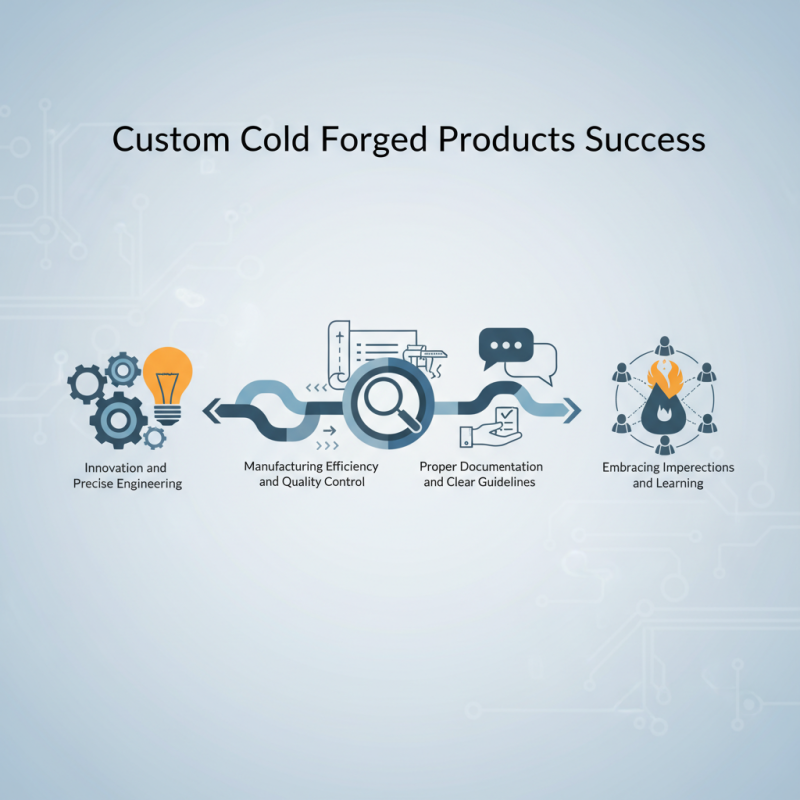
Navigating the world of Custom Cold Forged Products can be pretty tricky sometimes, right? I mean, the field’s always changing, and if you’re not careful, it's easy to overlook the little things. John Smith, a well-known guy in this industry, once said, "Getting it right with Custom Cold Forged Products really boils down to being innovative and having precise engineering skills." That honestly hits the nail on the head—creativity has to go hand-in-hand with technical know-how.

Diving into new possibilities with these products can really open up some exciting doors. But, let’s be real, a lot of companies hit snags when it comes to production efficiency and keeping quality where it should be. Paying attention to details makes all the difference—one small mistake at the start can cause big headaches later on. That’s why it’s so important to go through multiple design iterations and keep the feedback coming from engineers and clients alike. Their insights can save you a lot of trouble.

Now, because this industry can be pretty complex, miscommunications happen more often than you’d think. The trick is to keep everything well-documented and make instructions crystal clear. It’s not just about having the right skills; teamwork and collaboration play huge roles, too. Sometimes, I think the best lessons come from embracing imperfections and learning as you go. After all, nobody’s perfect—and that’s okay!
Top Tips for Custom Cold Forged Products Success?

Understanding Cold Forging: Principles and Benefits

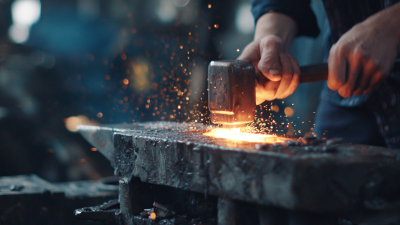
Cold Forgingis a manufacturing process that shapes metal by applying high pressure. This method generates less waste compared to traditional machining. It enhances material strength, which is crucial for durable products. Understanding the principles behind cold forging can lead to better design choices, especially forToys and Hobby Products. The process creates parts with tight tolerances, which is essential for ensuring a good fit between components.

One of the benefits of cold forging is the ability to produce complex shapes efficiently. This can be particularly advantageous when creating specific designs for Toys and Hobby Products. However, achieving the perfect design often requires iterations. Engineers may need to test different methods to find the best outcomes.

Quality control during production is vital. Minor imperfections can lead to major issues later on, like compromised structural integrity.

Cold forging also allows for improved production rates. But, increasing speed shouldn’t come at the cost of quality. Each step in the process must be carefully monitored. Feedback from each stage can help refine processes further. When the goal is to create reliable Toys and Hobby Products, attention to detail is non-negotiable. Addressing flaws early in production saves time and costs in the long run.

Key Materials Used in Custom Cold Forged Products

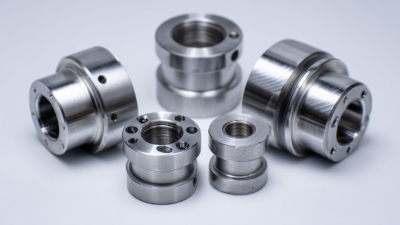
When it comes to custom cold forged products, choosing the right materials is crucial. Steel is often the go-to choice. Its strength and durability make it a favored option. Different grades of steel offer varying properties. This allows for customization based on specific needs.

Aluminum is another popular material. It is lightweight and resistant to corrosion. However, it might not be suitable for high-stress applications.

Understanding the application is vital. For heavy-duty tasks, alloy steels or carbon steels can be beneficial. They provide added toughness. On the contrary, softer metals like copper can be used for intricate designs. Yet, their lack of strength can be a drawback.

Testing different combinations may lead to the best outcomes. Real-world feedback is important in refining your choices. Each project may reveal unexpected material properties. Adjustments are often necessary for optimal results.

Industry Standards and Specifications for Cold Forging

Cold forging is a complex process that requires strict adherence to industry standards and specifications. These guidelines ensure that products are safe and reliable. The American Society for Testing and Materials (ASTM) provides standards for different materials used in cold forging. Following these standards improves product quality and performance.

One major aspect to consider is material selection. Not all metals are suitable for cold forging. Using the wrong type can lead to weak or defective products. Specifications often include information on tensile strength and ductility. These factors influence how the material will behave during the forging process. Failure to acknowledge this can result in unexpected failures or costly recalls.

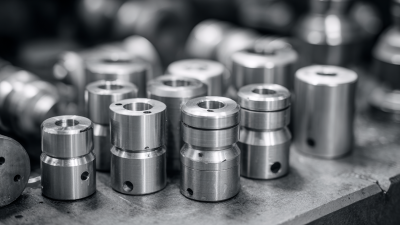
Another critical factor is tool design. Tools must comply with specific geometrical tolerances to ensure consistency. Poorly designed tools can cause uneven material flow, leading to defects. Regular inspections and maintenance are essential. Even experienced manufacturers can overlook small details, leading to larger issues. Quality assurance is a continuous process, requiring constant reflection and adaptation.

Top Tips for Custom Cold Forged Products Success

Dimension Specification Industry Standard Notes
Material Type Carbon Steel ASTM A36 Common grade for structural applications
Die Temperature Cold Forging Less than 300°C Maintain low temperatures to prevent material softening
Surface Finish As Forged ISO 1302 Standard for surface roughness
Tolerance ±0.1 mm DIN ISO 2768 General tolerances for linear dimensions
Fatigue Strength Minimum 600 MPa ASTM E468 Important for dynamic loading applications
Dimesion Accuracy 0.01 mm ISO 9001 Quality management systems - requirements
Production Volume 1000 - 10000 pieces Benchmark for custom orders Cost-effective batch sizes
Lead Time 4 - 6 weeks Industry best practices Timeframe for standard production

Optimal Design Techniques for Custom Cold Forged Components

Designing custom cold forged components requires thoughtful consideration. The right design can enhance strength and reduce costs. Consider the geometry of your product. Intricate shapes may complicate the forging process. Simplified designs often yield better results.

Tip: Focus on material selection. Choosing the best metal will impact both performance and production efficiency. For instance, certain materials can be more suitable for castings for Toys and Hobby Products. Proper material choice ensures longevity and safety.

Invest time in prototyping. Create a few samples before full-scale production. This phase is essential to identify any design flaws. Testing a prototype helps refine your design. Real-world feedback is invaluable. You might find unexpected challenges that require adjustments. Embrace the iterative process—it often leads to the most successful outcomes.

Top Tips for Custom Cold Forged Products Success

This chart illustrates the optimal design techniques for custom cold forged components based on various factors influencing success. The dimensions used reflect the common considerations in the design phase, helping to identify areas for focus and improvement.

Quality Control Measures in Cold Forging Production

Top Tips for Custom Cold Forged Products Success?

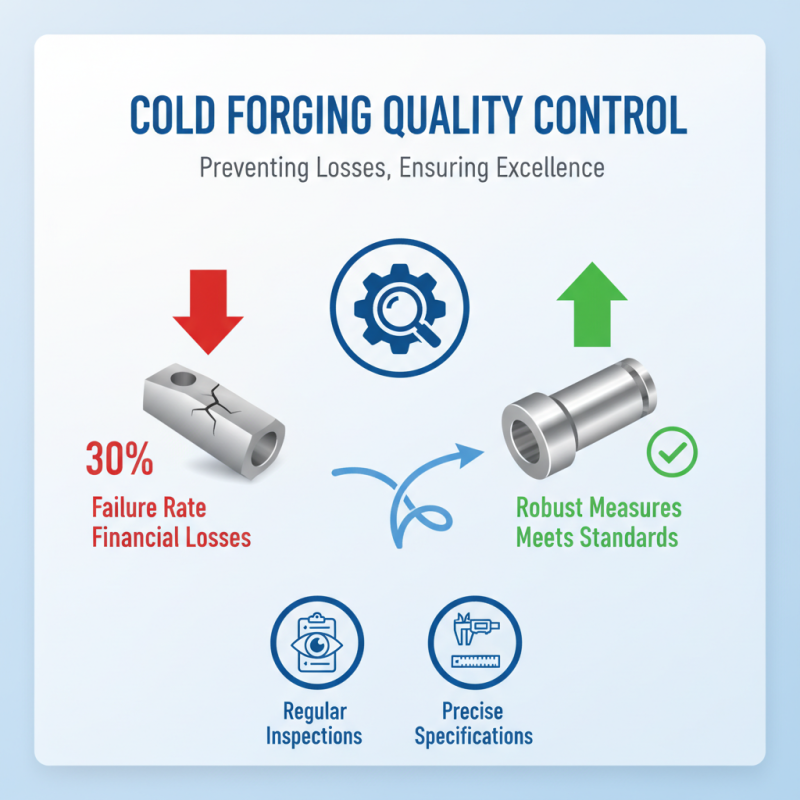
Quality control is crucial in cold forging production. A recent industry report indicates that nearly 30% of cold forged products fail to meet quality standards. This can lead to significant financial losses. Implementing robust quality control measures can prevent such issues. Regular inspections and adherence to precise specifications are vital.

Critical to this process is the use of advanced technology. Automation can enhance consistency and reduce human error. Many companies have found success by integrating real-time monitoring systems into their production lines. This can be applied to die castings for Toys and Hobby Products as well. Understanding the specific characteristics of the material being forged is essential. Different metals may require unique handling and inspection processes.

Training is another area for improvement. A knowledgeable workforce is key to maintaining high-quality standards. Continuous education on best practices in cold forging can lead to fewer defects. However, many companies neglect this aspect. Without it, the risk of repeated mistakes increases. Quality matters in every step of the production cycle.

Market Trends and Demand for Custom Cold Forged Products

The demand for custom cold forged products is steadily increasing. Industries like automotive and aerospace are leading the way. These sectors require high-strength, lightweight components. Custom cold forged parts often deliver better performance than traditional methods. However, production challenges can arise.

Market trends show a shift toward greater customization. Many manufacturers are now focusing on specific client needs. This can mean developing unique designs or accommodating tighter tolerances. Still, some companies struggle to adapt to these demands. They may lack the technology or expertise needed for advanced cold forgings. It's crucial to have a skilled team familiar with market expectations.

Sustainability trends continue to shape the industry. Many customers prefer environmentally-friendly practices in manufacturing. Using less material is one way to meet this demand. However, this can complicate the forging process. It requires careful planning and execution to avoid defects. Custom cold forged products must balance efficiency with quality. Companies need to invest in ongoing training and development. This is essential for staying competitive in the evolving market.

Cost Analysis: Balancing Quality and Affordability in Cold Forging

Cost analysis is crucial in cold forging. Quality and affordability often clash. Manufacturers face pressure to lower costs while maintaining quality. Studies show that over 30% of production costs are linked to raw materials. Selecting the right suppliers can help balance this equation.

Another key factor is labor cost. Skilled workers are essential for producing high-quality forged products. However, labor rates vary significantly. Investing in employee training can lead to better outcomes. A well-trained worker can improve efficiency by 25%, but the initial investment may seem high.

Production processes also influence costs. Advanced machinery can boost productivity, yet the price tag can be daunting. Companies must weigh the long-term benefits against the upfront expense. It's a delicate balance. Choosing between cheaper methods and high-quality results requires deep reflection. Is the savings worth the potential trade-offs?

Innovative Solutions in Downhole Perforating: Exploring Forged and CNC Machined Shaped Charges

In the dynamic field of oil and gas extraction, downhole perforating has become a critical process, significantly impacting the efficiency of well completion. The implementation of innovative solutions, such as forged and CNC machined shaped charges, has revolutionized the industry. These cutting-edge components are engineered with precision to ensure durability and performance under extreme conditions. Their design facilitates optimal penetration, enabling effective reservoir stimulation and enhanced hydrocarbons flow from the well.

Forged shaped charges, in particular, offer numerous advantages in perforating operations. Their robust construction allows them to endure intense downhole environments, while their meticulous manufacturing process guarantees performance consistency. This reliability not only improves well productivity but also minimizes the risks commonly associated with perforating operations. The adaptability of these shaped charges to various drilling conditions makes them essential tools in the oilfield, enabling operators to tailor their approaches based on specific geological challenges.

As the industry continues to evolve, the importance of advanced perforating technologies cannot be overstated. Continued innovations in shaped charge design will likely lead to greater efficiency and effectiveness in well-completion activities, ultimately driving the next wave of productivity in the oil and gas sector.

FAQS

: What are common reasons for starting a new project?

: People often start new projects to solve a problem. They may seek personal growth or explore new interests.

How can one manage time effectively during a project?

Effective time management involves setting clear goals. Break tasks into smaller steps. Prioritize tasks by importance.

What role does teamwork play in project success?

Teamwork fosters collaboration and creativity. It allows sharing of diverse skills. However, communication must be clear.

What are some challenges faced in project management?

Common challenges include scope creep, resource limitations, and time constraints. Miscommunication can also lead to issues.

How important is feedback during a project?

Feedback is essential for improvement. It helps identify areas needing change. Regular check-ins can provide valuable insights.

What should be considered while choosing project tools?

Choose tools based on project needs. Simplicity and user-friendliness are key. Evaluate how they fit into daily work.

How can one ensure stakeholder engagement?

Keep stakeholders informed and involved. Regular updates build trust. Address their concerns promptly to maintain interest.

What are signs of project fatigue among team members?

Signs include decreased motivation, lack of communication, and missed deadlines. These indicate the need for a break or re-evaluation.

Why is flexibility important in project planning?

Flexibility allows adaptation to unexpected changes. Rigid plans can lead to frustration. Embrace change to enhance outcomes.

How can one celebrate project milestones?

Celebrate by acknowledging team efforts. Simple gestures like shout-outs or team lunches can boost morale. Reflect on the journey too.

Conclusion

The article "Top Tips for Custom Cold Forged Products Success" provides a comprehensive overview of essential factors for achieving excellence in custom cold forged products. It begins with a clear understanding of cold forging principles and highlights the numerous benefits such as improved material properties and cost efficiency. Key materials suitable for cold forging are discussed, alongside the industry standards and specifications that guide the manufacturing process.

Additionally, the article emphasizes optimal design techniques that enhance the performance of custom cold forged components. Quality control measures are key to maintaining high standards during production, ensuring that the final products meet consumer expectations. Furthermore, it explores current market trends and the increasing demand for custom cold forged products, underlining the importance of a balanced approach to cost analysis between quality and affordability. Overall, the article serves as a valuable resource for manufacturers looking to excel in the custom cold forging industry.
Charlotte

Charlotte

Charlotte is a dedicated marketing professional at Shaanxi Brilliant Machinery Co., Ltd., where she plays a pivotal role in communicating the company’s vision of becoming the global benchmark for manufacturing excellence, sustainability, and customer satisfaction in the mechanical parts industry.......
Previous Maximizing Value with Cold Forged Fasteners How to Reduce Maintenance Costs Effectively